 By
By If you’ve been exploring ways to achieve fuller, natural-looking eyebrows, you’ve probably come across the term what is nanoblading. This innovative beauty treatment has gained immense popularity for its ability to create precise, hair-like strokes that mimic real eyebrow hair. But before you book your appointment, it’s important to understand exactly what nanoblading is, how it works, and whether it’s the right choice for you.
In this comprehensive guide, we’ll break down everything you need to know about nanoblading, from the procedure and benefits to aftercare and potential risks.
What Is Nanoblading?
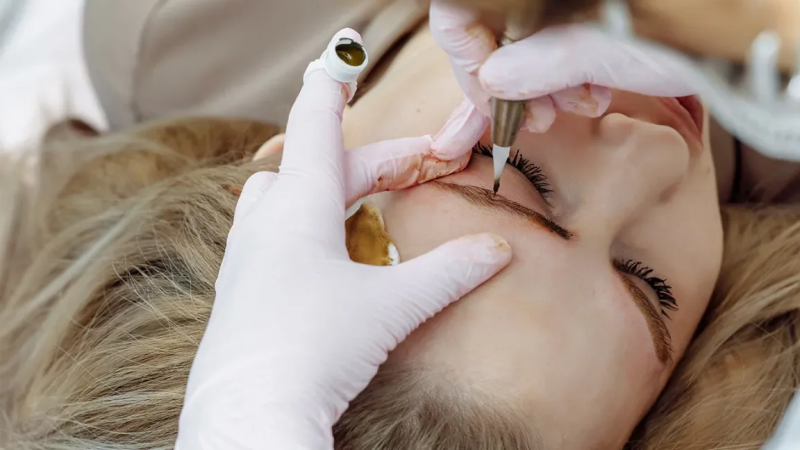
To answer the question what is nanoblading, it is a semi-permanent cosmetic procedure that uses ultra-fine needles to deposit pigment into the skin, creating realistic hair-like strokes in the eyebrows. Unlike traditional microblading, nanoblading uses a machine with a single ultra-thin needle, allowing for more precision and less trauma to the skin.
This technique is ideal for individuals who want natural-looking brows with a softer finish. The strokes are finer and more detailed, making it difficult to distinguish between real and artificial hairs.
How Nanoblading Works
Understanding what is nanoblading also involves knowing how the procedure is performed. During the treatment, a trained technician uses a digital machine equipped with a nano needle to implant pigment into the upper layers of the skin.
The process typically begins with a consultation, where the shape and color of your brows are customized to suit your facial features. A numbing cream is applied to minimize discomfort, and then the technician carefully creates hair-like strokes following the natural direction of your brow growth.
Nanoblading vs. Microblading
Many people confuse nanoblading with microblading, but there are key differences. When discussing what is nanoblading, it’s important to note that nanoblading uses a machine, while microblading uses a manual blade.
Nanoblading offers more precision and is generally less invasive, making it suitable for sensitive or oily skin types. Microblading, on the other hand, may create slightly bolder strokes but can fade faster on certain skin types.
Benefits of Nanoblading
There are several reasons why people choose nanoblading. First, it provides a natural appearance that enhances your features without looking overdone. Second, it’s long-lasting, typically lasting between one to three years with proper care.
Another benefit of understanding what is nanoblading is recognizing its time-saving advantage. With semi-permanent brows, you can skip daily eyebrow makeup routines, saving both time and effort.
Additionally, the procedure is customizable, allowing you to achieve your desired brow shape and thickness.
Who Is a Good Candidate?
Not everyone is an ideal candidate for nanoblading, so understanding what is nanoblading also means knowing who it’s best suited for. This treatment works well for individuals with sparse, uneven, or thinning eyebrows.
It’s also a great option for those who want a natural enhancement rather than a bold, dramatic look. However, people with certain skin conditions or medical issues should consult a professional before undergoing the procedure.
The Nanoblading Procedure Step-by-Step
The process of nanoblading typically involves several steps. First, your technician will map out your brows to ensure symmetry and balance. Then, a numbing agent is applied to reduce discomfort.
Next, the pigment is carefully implanted using the nano needle. The entire procedure usually takes about two to three hours. Afterward, a follow-up appointment may be scheduled to perfect the results.
Knowing these steps helps you better understand what is nanoblading and what to expect during your appointment.
Healing Process and Aftercare
After your treatment, proper aftercare is essential for achieving the best results. The healing process typically takes about 7–14 days, during which your brows may appear darker before fading to a natural shade.
To maintain your results, avoid excessive moisture, direct sunlight, and heavy sweating during the healing period. Applying recommended ointments and following your technician’s instructions will ensure optimal healing.
Understanding aftercare is a crucial part of learning what is nanoblading.
How Long Does Nanoblading Last?
One of the most common questions related to what is nanoblading is its longevity. On average, nanoblading results last between one and three years, depending on factors such as skin type, lifestyle, and aftercare.
Oily skin types may experience faster fading, while dry skin tends to retain pigment longer. Regular touch-ups can help maintain the desired look over time.
Risks and Considerations
While nanoblading is generally safe, there are some risks to consider. These may include minor irritation, redness, or allergic reactions to the pigment.
Choosing a qualified and experienced technician significantly reduces these risks. It’s also important to follow all pre- and post-procedure guidelines to ensure a safe and successful outcome.
Understanding potential risks is an important part of answering what is nanoblading.
Is Nanoblading Worth It?
For many people, nanoblading is a worthwhile investment. It offers long-lasting, natural-looking results that enhance your overall appearance.
If you’re tired of filling in your brows daily or struggling with uneven shapes, nanoblading can provide a convenient and effective solution. However, it’s essential to weigh the cost, maintenance, and potential risks before making a decision.
Conclusion
So, what is nanoblading? It’s a modern, semi-permanent eyebrow enhancement technique that delivers natural, precise, and long-lasting results. By using ultra-fine needles and advanced technology, nanoblading creates realistic hair-like strokes that blend seamlessly with your natural brows.
Whether you’re looking to save time on your makeup routine or achieve fuller brows, nanoblading can be a game-changer. However, proper research, choosing a skilled technician, and following aftercare instructions are key to achieving the best results.
FAQs
1. What is nanoblading and how is it different from microblading?
Nanoblading uses a machine with ultra-fine needles for precise strokes, while microblading uses a manual blade for thicker strokes.
2. Is nanoblading painful?
Most people experience minimal discomfort due to the use of numbing cream during the procedure.
3. How long does nanoblading take to heal?
The initial healing process usually takes about 1–2 weeks, with full results visible after a few weeks.
4. Can nanoblading be done on all skin types?
Yes, but it works best on normal to dry skin. Oily skin may require more frequent touch-ups.
5. How often do I need touch-ups?
Touch-ups are typically recommended every 12–18 months to maintain the desired look.
Also read: 5 Amazing Solutions for Brassy Hair Dye You Need to Try