 By
By Blonde lashes are one of those subtle, fascinating features that spark curiosity. People often wonder, how rare is blonde lashes, and what causes them in the first place? While blonde hair gets plenty of attention, blonde eyelashes are far less common and can create a soft, natural, and unique look.
In this article, we’ll dive into the genetics behind blonde lashes, just how rare they truly are, and how to enhance or care for them. Whether you’re naturally fair-lashed or simply curious, this guide will tell you everything you need to know about the beauty and rarity of blonde eyelashes.
Understanding Blonde Eyelashes
Blonde eyelashes occur when there’s less melanin — the pigment that gives color to hair, skin, and eyes — in the hair follicles of your lashes. The lighter the pigment, the paler your lashes appear. In people with very fair features, blonde lashes can even look almost invisible without mascara or tinting.
Unlike darker lashes, which naturally frame and define the eyes, blonde lashes create a softer, understated appearance. They’re beautiful in their own right but often go unnoticed due to their subtlety — which is why people with them tend to wonder, “How rare is blonde lashes compared to darker ones?”
The Genetics Behind Blonde Lashes
Your lash color is primarily determined by genetics. The amount and type of melanin your body produces influence your hair, eyebrows, and eyelash shades.
Two main types of melanin are responsible for your hair color:
- Eumelanin: Produces brown or black pigments.
- Pheomelanin: Produces red or yellow pigments.
When someone has high levels of pheomelanin and low levels of eumelanin, the result is lighter hair — and therefore, lighter lashes.
People with blonde eyelashes usually have fair complexions, light eyebrows, and light hair due to the same genetic pattern. The gene variations that cause blonde lashes are more prevalent in populations of Northern or Eastern European descent, where lighter pigmentation evolved as an adaptation to less sunlight.
How Rare Is Blonde Lashes?
Now, let’s answer the big question: how rare is blonde lashes?
In general, it’s estimated that only about 2% to 4% of the global population has naturally blonde hair — and an even smaller fraction of that group has blonde eyelashes. This makes blonde lashes incredibly rare on a global scale.
They’re most commonly found in people of Northern European heritage, particularly those from Scandinavian countries such as Sweden, Norway, and Denmark. In regions with darker pigmentation, naturally blonde lashes are almost nonexistent.
So if you’ve ever wondered how rare is blonde lashes, the answer is — very rare. They’re a unique genetic trait that makes up less than 1% of all lash colors worldwide.
Are Blonde Eyelashes and Blonde Hair Always Connected?
Not always. While blonde hair and lashes often occur together, it’s possible for someone to have a mix — for example, darker hair but lighter lashes, or vice versa.
This happens due to gene expression differences in various parts of the body. Your scalp hair, brow hair, and lashes can all have slightly different levels of melanin, depending on which genes are more dominant in those areas.
Some people with strawberry blonde or light brown hair might also have fair lashes, while others with platinum hair have medium lashes. Genetics doesn’t always follow a uniform rule — which adds to the intrigue of how rare is blonde lashes.
What Blonde Lashes Look Like
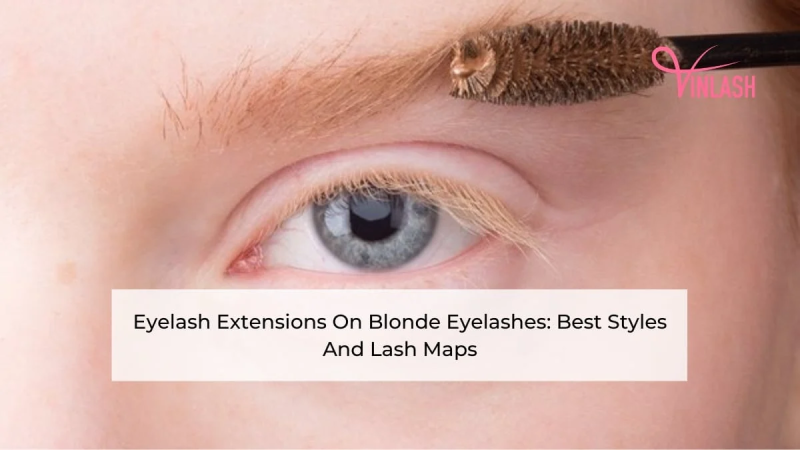
Blonde eyelashes can vary in shade from golden honey to pale beige or even nearly white. They reflect light easily, making them appear softer or less defined than darker lashes.
This subtle appearance gives a delicate, ethereal quality to the face. Many people with blonde lashes choose to enhance them with mascara or lash tinting, while others embrace their natural look.
In photos or natural lighting, blonde lashes may almost disappear unless emphasized with makeup — a reason why people sometimes assume someone with blonde lashes has “no lashes” at all, even though they’re just light in color.
Enhancing Blonde Lashes Naturally
If you love your blonde lashes but want to bring them out more, there are several natural and safe ways to do it:
- Mascara: Choose black, brown, or even clear mascara to add definition.
- Lash tinting: A semi-permanent dye darkens your lashes for 4–6 weeks.
- Lash lifts: A curl-enhancing treatment that makes fair lashes more visible.
- Eyelash serums: Help strengthen and lengthen naturally blonde lashes for a fuller look.
Enhancing blonde lashes doesn’t mean hiding them — it’s simply highlighting their beauty and making them stand out against your skin tone and eye color.
Caring for Blonde Lashes
Fair lashes tend to be more delicate than darker ones due to lower melanin content, which can make them slightly more sensitive to sun and environmental damage.
Here’s how to care for them properly:
- Avoid harsh makeup removers. Use gentle, oil-free cleansers.
- Keep them moisturized. Apply a conditioning serum or castor oil sparingly.
- Limit heat exposure. Avoid overusing lash curlers or hot tools.
- Protect them from UV rays. Sunglasses help shield lashes from sunlight.
Proper lash care keeps them strong, healthy, and luminous — so whether you keep them natural or enhanced, they’ll always look their best.
The Allure of Blonde Lashes in the Beauty World
While dark lashes are often the standard of beauty, blonde lashes have an appeal all their own. In recent years, the beauty industry has embraced diversity in features — from red hair to freckles — and fair lashes are gaining recognition too.
Models, makeup artists, and photographers often highlight the ethereal, minimalist aesthetic that blonde lashes create. They exude softness and a naturally innocent charm. Paired with fair brows or light eyes, blonde lashes can give a high-fashion, editorial look that feels timeless and sophisticated.
So when you ask how rare is blonde lashes, it’s worth remembering that rarity is part of what makes them so captivating in the first place.
Makeup Tips for Blonde Lashes
If you want to enhance your natural lashes without losing their soft beauty, try these makeup tips:
- Use brown mascara for a subtle, natural enhancement.
- Apply black mascara for bold, dramatic contrast.
- Try tinted mascaras in navy or plum for a unique pop.
- Use lash primer before mascara for extra volume and hold.
- Consider clear mascara if you want lift without color.
For a more defined but still natural effect, lightly line your upper lash line with brown eyeliner. This gives the illusion of thicker lashes while maintaining a soft, fair aesthetic.
Celebrities and the Fascination with Blonde Lashes
Blonde lashes might be rare, but they’ve graced some of the most famous faces in the world. Celebrities like Cate Blanchett, Elle Fanning, and Nicole Kidman all have naturally light lashes, which they sometimes darken for film or red carpet appearances.
In fashion photography, blonde lashes are often celebrated for their ethereal, dreamlike quality — a visual rarity that stands out in a world dominated by bold makeup.
Celebrities and influencers embracing fair lashes have inspired others to celebrate their natural beauty rather than trying to change it. It’s proof that the question “how rare is blonde lashes” is less about statistics and more about appreciating unique beauty traits.
Conclusion
So, how rare is blonde lashes? The answer: extremely rare — less than 1% of people worldwide have naturally fair lashes. This rarity makes them special, distinctive, and worthy of admiration.
Blonde lashes are the result of fascinating genetics, lighter pigmentation, and centuries of evolution. They might not frame the eyes as boldly as dark lashes, but they hold an undeniable charm — subtle, soft, and naturally beautiful.
Whether you choose to enhance them with tinting or mascara or embrace them in their pure form, remember that blonde lashes are a unique trait worth celebrating. Their rarity only adds to their beauty — a quiet reminder that sometimes the most delicate details are the most extraordinary.
FAQs
1. How rare is blonde lashes compared to other lash colors?
Blonde lashes are extremely rare — found in less than 1% of the global population. They occur mostly in people with fair hair and light skin tones.
2. Can people with dark hair have blonde lashes?
Yes, although uncommon. Variations in melanin expression can cause lighter lashes even in people with darker hair.
3. Are blonde lashes weaker than dark lashes?
Not necessarily, but they can be more sensitive to sunlight and may appear finer due to their lighter pigmentation.
4. Can I tint blonde lashes to make them darker?
Absolutely! Lash tinting is a popular, safe way to darken blonde lashes for 4–6 weeks without using mascara.
5. Do blonde lashes get darker with age?
In some cases, yes. Hormonal changes or increased melanin production can darken lashes slightly over time, though many people keep their fair lashes for life.
Also read: Hyaluronic Acid Serum Singapore – The Secret to Plump, Dewy, and Youthful Skin