 By
By Hair care routines often focus on shampoo, conditioner, and styling products, but one essential tool is frequently overlooked: the hairbrush. Many people use the same brush for years without considering whether it should be replaced. If you have ever wondered how often should you replace your hairbrush, you are not alone.
Hairbrushes collect oil, product residue, dust, and loose hair over time. Even if you clean your brush regularly, the bristles can wear down and become less effective at detangling and styling hair. Using an old or damaged brush may even contribute to hair breakage and scalp irritation.
Understanding how often should you replace your hairbrush is an important step toward maintaining healthy hair and a clean grooming routine. In this guide, we will explore how long hairbrushes typically last, the signs that indicate it is time for a new one, and tips for choosing and maintaining the right brush.
Why Hairbrush Hygiene Matters
Hairbrush hygiene plays a significant role in overall hair health. When people ask how often should you replace your hairbrush, the reason is usually related to cleanliness and hygiene.
Every time you brush your hair, your brush collects natural oils from your scalp, styling products, dust from the environment, and loose hair strands. Over time, this buildup can create an environment where bacteria and dirt accumulate.
If the brush is not cleaned or replaced regularly, these particles may transfer back to your hair and scalp. This can lead to dull-looking hair, increased oiliness, or scalp irritation.
Keeping your hairbrush clean and replacing it when necessary ensures that your hair remains fresh, healthy, and properly styled.
How Often Should You Replace Your Hairbrush?
A common question people ask is how often should you replace your hairbrush to maintain good hair hygiene.
In general, experts recommend replacing your hairbrush every six to twelve months. The exact timeline depends on the type of brush you use, how often you use it, and how well you maintain it.
For example, a brush that is used daily may wear out faster than one used occasionally. Similarly, brushes exposed to heavy styling products or heat styling tools may deteriorate more quickly.
Regularly checking the condition of your brush will help you determine when it is time for a replacement.
Signs It Is Time to Replace Your Hairbrush
Even if you are unsure how often should you replace your hairbrush, certain signs can indicate that it is time for a new one.
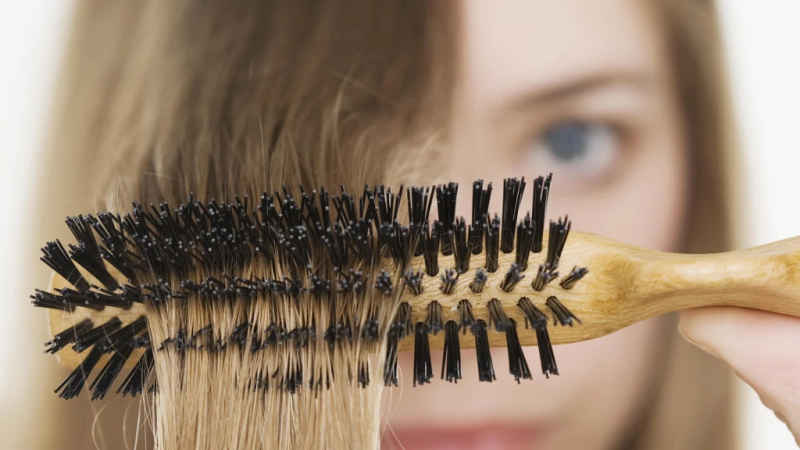
One of the most obvious signs is damaged or bent bristles. When bristles lose their shape, they may pull or snag hair instead of smoothly detangling it.
Another sign is cracked or broken brush bases. Structural damage can make the brush uncomfortable to use and less effective.
Excessive buildup that cannot be removed through cleaning is also a sign that your brush may need to be replaced.
If you notice any of these issues, replacing your hairbrush can help improve both comfort and hair health.
How Hairbrush Condition Affects Hair Health
The condition of your hairbrush directly affects the quality of your hair care routine. This is another reason people ask how often should you replace your hairbrush.
Old brushes with worn bristles may tug at hair strands, leading to breakage and split ends. Instead of gently detangling hair, damaged bristles can create friction that weakens the hair shaft.
Additionally, dirty brushes can redistribute oil and product buildup onto freshly washed hair. This can make hair appear greasy more quickly.
Replacing your hairbrush when necessary ensures that your grooming tools support healthy hair rather than damaging it.
Different Types of Hairbrushes and Their Lifespan
When discussing how often should you replace your hairbrush, it is important to consider that different types of brushes may last different lengths of time.
For example, plastic bristle brushes may wear out faster if the bristles bend or melt from exposure to heat styling tools.
Boar bristle brushes, which are often used to distribute natural oils through the hair, may last longer if properly maintained.
Paddle brushes designed for detangling long hair may experience faster wear if used aggressively on thick or tangled hair.
Understanding the type of brush you use can help you determine the best replacement schedule.
How to Properly Clean Your Hairbrush
Proper cleaning can extend the life of your brush, even if you are wondering how often should you replace your hairbrush.
Start by removing loose hair from the brush after each use. This simple habit prevents hair from accumulating and makes deeper cleaning easier.
Once a week or every two weeks, wash the brush using warm water and a gentle shampoo. This helps remove oil, product buildup, and dirt trapped between the bristles.
After washing, allow the brush to dry completely before using it again. Regular cleaning helps maintain hygiene and improves brush performance.
How Lifestyle and Hair Type Affect Replacement Frequency
Your lifestyle and hair type can influence how often should you replace your hairbrush.
For example, individuals with thick or curly hair may put more stress on brush bristles, which can cause them to wear out faster.
People who frequently use styling products such as hairspray, gel, or mousse may notice faster buildup on their brushes. This can reduce the brush’s effectiveness and require earlier replacement.
Similarly, if you regularly use heat styling tools like blow dryers with your brush, the heat exposure may shorten the brush’s lifespan.
These factors make it important to monitor your brush’s condition regularly.
Choosing the Right Hairbrush for Your Hair Type
Selecting the right brush can improve your hair care routine and help you better understand how often should you replace your hairbrush.
For example, wide-tooth brushes or detangling brushes are ideal for thick or curly hair because they reduce breakage.
Round brushes are commonly used for blow-drying and creating volume.
Paddle brushes work well for straight or long hair and are excellent for smoothing and detangling.
Choosing a brush that suits your hair type reduces stress on the bristles and may extend the brush’s lifespan.
Tips to Extend the Life of Your Hairbrush
Although you may be wondering how often should you replace your hairbrush, there are several steps you can take to extend its lifespan.
First, remove loose hair from the brush regularly. This prevents buildup and helps keep the brush clean.
Second, avoid exposing plastic brushes to excessive heat from blow dryers, which can warp the bristles.
Third, store your brush in a clean, dry place to prevent dust accumulation.
By caring for your hairbrush properly, you can keep it in good condition for longer.
The Importance of Replacing Personal Grooming Tools
Many personal grooming tools eventually wear out, and hairbrushes are no exception. Understanding how often should you replace your hairbrush ensures that your daily grooming routine remains hygienic and effective.
Using clean, well-maintained tools not only improves hair appearance but also supports scalp health. When brushes become worn or contaminated with product buildup, they may negatively affect hair quality.
Replacing grooming tools regularly helps maintain a fresh and effective hair care routine.
Conclusion
Knowing how often should you replace your hairbrush is an important part of maintaining healthy hair and proper grooming habits. In most cases, replacing your hairbrush every six to twelve months is recommended, although the exact timing may vary depending on usage and brush quality.
Signs such as bent bristles, cracks, or excessive buildup indicate that it may be time for a new brush. Regular cleaning and proper storage can extend the life of your brush and keep it hygienic.
By paying attention to the condition of your hairbrush and replacing it when necessary, you can support healthier hair, reduce breakage, and maintain a cleaner hair care routine.
FAQs
1. How often should you replace your hairbrush?
Most experts recommend replacing your hairbrush every six to twelve months, depending on how frequently it is used and how well it is maintained.
2. Why is it important to replace your hairbrush?
Replacing your hairbrush helps prevent buildup of oils, dirt, and product residue that can affect hair cleanliness and scalp health.
3. Can cleaning a hairbrush extend its lifespan?
Yes, regularly cleaning your brush can remove buildup and extend its lifespan, although worn or damaged brushes should still be replaced.
4. What are signs that a hairbrush needs replacing?
Common signs include bent or broken bristles, cracks in the brush base, and buildup that cannot be removed through cleaning.
5. Does hair type affect how often you should replace your hairbrush?
Yes, people with thick hair, curly hair, or frequent styling routines may need to replace their hairbrush more often because the bristles wear out faster.
Also read: Good Lipstick for Pale Skin: Top Shades That Actually Work