
 By
By London has always been a city on the move, fast-paced, energetic, and full of people who thrive on momentum. Over the past decade, its running scene has transformed from a niche community of enthusiasts into a full-blown urban movement. But this isn’t just about running anymore; it’s about running smarter. With the rise of fitness technology, Londoners are redefining what it means to train, compete, and connect on the city’s streets.
The Rise of Urban Running Culture in London
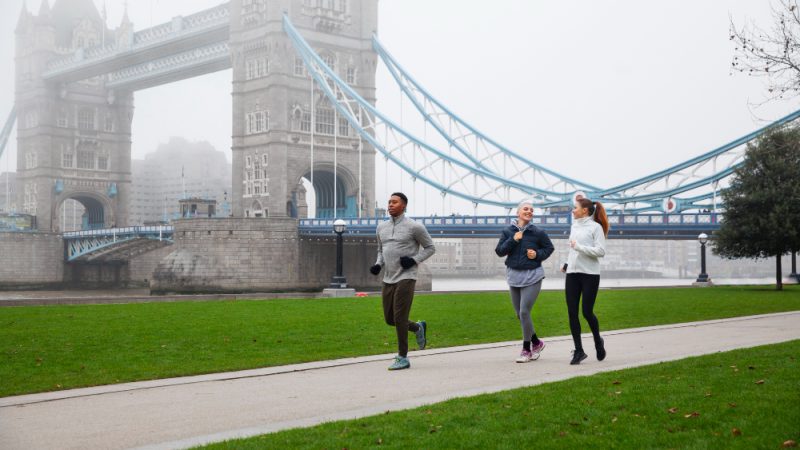
Running through London is a unique experience. From sunrise jogs along the Thames to late-night laps around Hyde Park, the capital’s runners have carved out a culture that blends fitness, community, and city life. Events like the London Marathon, RunThrough, and Parkrun have inspired thousands to lace up their trainers.
But what’s truly fueling this evolution is the adoption of fitness technology. Smartwatches, connected apps, and wearable gadgets have become everyday essentials, turning London’s pavements into a digital playground for performance tracking and health optimization.
Smartwatches and Data-Driven Training
The modern London runner doesn’t just rely on intuition; they rely on data. Smartwatches from brands like Garmin, Coros, and Apple have become almost as important as a good pair of running shoes.
These devices track pace, cadence, heart rate, and recovery metrics, giving runners insights into how their bodies respond to the demands of city life. Many Londoners use this data to fine-tune their training schedules, balancing intense sessions along the Embankment with rest days in Battersea Park.
This shift toward data-driven training represents a bigger cultural trend: London’s runners are turning personal performance into measurable progress, supported by real-time feedback and long-term analytics.
Running Safely in the City: Visibility Matters
Running in London often means sharing space with traffic, cyclists, and crowded pavements. As a result, safety, particularly visibility, is a top concern for nighttime and early-morning runners.
Innovations in wearable lighting and reflective gear have changed the game. The light vest for runners, for example, has become a must-have accessory for Londoners training before dawn or after dark. These vests use LED strips and reflective materials to make runners visible from all angles, reducing the risk of accidents in low-light conditions.
UK-based company Lumefit has taken this concept further, creating intelligent lighting solutions that adapt to the surrounding environment. Their products combine comfort, aesthetics, and cutting-edge safety technology, perfect for runners navigating London’s dimly lit parks or riverside paths.
Apps Connecting the Capital’s Running Community
London’s running community isn’t just strong, it’s smartly connected. Fitness apps like Strava, Nike Run Club, and MapMyRun have become virtual meeting points where runners log miles, share routes, and compete in friendly challenges.
These platforms do more than track performance. They create a sense of belonging. Local clubs and events use them to organize group runs, while runners can discover new routes through neighborhoods like Greenwich, Camden, or Richmond.
For many, these apps are the bridge between individual motivation and collective inspiration embodying the spirit of London: diverse, dynamic, and digitally connected.
Tech-Savvy Running Events and Smart Challenges
London’s iconic running events have also embraced fitness tech. The London Marathon now integrates GPS tracking and mobile updates that allow spectators to follow runners in real time. Virtual marathons and “smart challenges” have emerged, allowing runners to compete remotely through synced devices and apps.
Brands and organizations are hosting tech-powered pop-up events where participants test new gadgets, experience guided runs with audio coaching, and analyze data instantly afterward. These innovations have turned running events into interactive experiences, blending competition with technology in a way that only London’s vibrant scene could.
Sustainability and the Future of Running Tech
Londoners are not only tech-conscious but also eco-conscious. As the city leads global conversations about sustainability, the fitness industry is following suit. Many wearable tech brands are now focusing on sustainable materials, rechargeable batteries, and long-lasting designs that minimize environmental impact.
Companies like Lumefit are part of this new wave, producing high-quality, rechargeable lighting gear for runners that prioritizes both safety and environmental responsibility. The shift reflects London’s values: innovation that doesn’t compromise on ethics.
Beyond Gadgets: Mindful and Inclusive Running
While technology enhances performance, London’s running scene is also embracing a more holistic approach. Fitness tech now supports mental wellness as much as physical endurance.
Apps such as Headspace and Calm have introduced guided runs that integrate mindfulness into exercise, helping runners stay present amid the city’s constant rush. Meanwhile, wearable sensors can monitor stress and encourage recovery, aligning with a broader shift toward self-care.
Inclusivity is another major focus. London running groups are using technology to make fitness more accessible, organizing events through digital platforms that welcome beginners, older adults, and underrepresented communities. The city’s tech-enabled running culture is as inclusive as it is advanced.
Conclusion
London’s running scene is no longer just about pace and endurance; it’s about connection, innovation, and balance. Fitness technology has become the heartbeat of this evolution, empowering runners to train safely, think sustainably, and engage with their community like never before.
From data-rich wearables to intelligent light vests for runners by pioneers like Lumefit, technology is shaping a safer and more inspiring way to move through the capital.
As London continues to blend tradition with transformation, one thing is clear: the future of running here isn’t just fast, it’s bright, smart, and unmistakably London.