 By
By Hard gel nails have become one of the most popular nail enhancement options in salons worldwide. Known for their strength, durability, and natural-looking finish, hard gel extensions offer a long-lasting solution for anyone who wants beautiful nails without constant maintenance. Whether you are new to nail enhancements or considering switching from acrylics, this comprehensive guide covers everything you need to know about hard gel nails.
What Are Hard Gel Nails?
Hard gel nails are a type of nail enhancement created using a thick gel formula that hardens under a UV or LED lamp. Unlike soft gel polish, hard gel cannot be soaked off with acetone. Instead, it must be filed off to remove it completely.
The formula is designed to be strong yet flexible, allowing it to support natural nail growth while reducing breakage. Hard gel can be used as an overlay on natural nails or sculpted into extensions using nail forms or tips.
This enhancement is especially popular among clients who want long nails that look lightweight and natural.
How Hard Gel Differs from Acrylic and Soft Gel
Many people confuse hard gel with acrylic or soft gel systems, but there are significant differences.
Acrylic nails are created by mixing a liquid monomer with a powder polymer, which hardens through a chemical reaction. In contrast, hard gel only cures when placed under a UV or LED lamp. This gives nail technicians more time to shape and perfect the nail before curing.
Soft gel, commonly known as gel polish, is flexible and soak-off. It is ideal for color application but not strong enough for long extensions. Hard gel is thicker and much stronger, making it ideal for building length and structure.
Additionally, hard gel is generally lighter in weight compared to acrylics and produces less odor during application.
Benefits of Hard Gel Nails
There are several reasons why hard gel nails are a top choice for professionals and clients alike.
First, they are extremely durable. When properly applied, hard gel extensions can last three to four weeks without lifting or chipping.
Second, they offer a natural appearance. The gel has a glossy finish that mimics the look of healthy natural nails.
Third, hard gel is more flexible than acrylic, reducing the likelihood of cracking. This flexibility also makes it more comfortable to wear.
Finally, hard gel is ideal for people with weak or brittle nails because it adds strength without excessive weight.
The Hard Gel Application Process
The application of hard gel requires skill and precision. Here’s a general overview of how it works:
The natural nail is first cleaned, shaped, and lightly buffed. A primer may be applied to enhance adhesion.
Next, a thin base layer of hard gel is brushed onto the nail and cured under a UV or LED lamp.
After the base layer cures, additional layers are applied to build structure and length. Nail forms or tips may be used to sculpt extensions.
Once the desired shape and thickness are achieved, the gel is cured again. The nail is then filed and shaped to perfection before applying color or top coat.
Because hard gel only hardens under light, technicians have enough time to perfect the structure before curing.
Types of Hard Gel
Not all hard gel products are the same. There are several types designed for different purposes.
Builder hard gel is thick and used to create length and structure. It is ideal for extensions.
Sculpting hard gel is specifically formulated for shaping nails using forms.
Clear hard gel is perfect for a natural look or encapsulated nail art.
Colored hard gel includes pigment for built-in color, eliminating the need for separate polish.
Choosing the right hard gel depends on the desired result and the client’s nail condition.
Maintenance and Aftercare Tips
Proper maintenance ensures your hard gel nails last as long as possible.
Avoid using your nails as tools to open packages or scrape surfaces.
Apply cuticle oil daily to maintain hydration and flexibility.
Wear gloves when cleaning or using harsh chemicals.
Schedule fill appointments every two to three weeks. During a fill, the grown-out area near the cuticle is refilled with fresh gel.
Regular maintenance prevents lifting and keeps the nails looking flawless.
Pros and Cons of Hard Gel Nails
Like any nail system, hard gel has advantages and disadvantages.
Pros:
Hard gel nails are lightweight, strong, and glossy. They are less likely to lift compared to acrylics when applied correctly. They also provide a more natural look.
Cons:
Removal requires filing, which can take time. Improper removal may damage the natural nail. Additionally, hard gel typically requires professional application and is not ideal for quick at-home removal.
Understanding these factors helps you decide if hard gel is right for you.
Who Should Choose Hard Gel?
Hard gel nails are ideal for individuals who:
Want long-lasting nail extensions
Have weak or brittle natural nails
Prefer a lighter feel than acrylic
Desire a glossy, natural finish
They are especially suitable for people who struggle with traditional acrylic lifting issues. Since hard gel is more flexible, it adapts better to natural nail movement.
However, if you frequently change your nail style and need easy removal, soft gel may be more convenient.
Common Mistakes to Avoid
Even though hard gel is durable, mistakes during application can lead to lifting or breakage.
Applying gel too thickly may result in improper curing.
Skipping nail prep can cause poor adhesion.
Incorrect curing time under the lamp can weaken the structure.
Over-filing during removal can thin and damage the natural nail.
Working with a trained nail technician reduces the risk of these issues and ensures your hard gel nails stay strong and beautiful.
Hard Gel Nail Trends and Designs
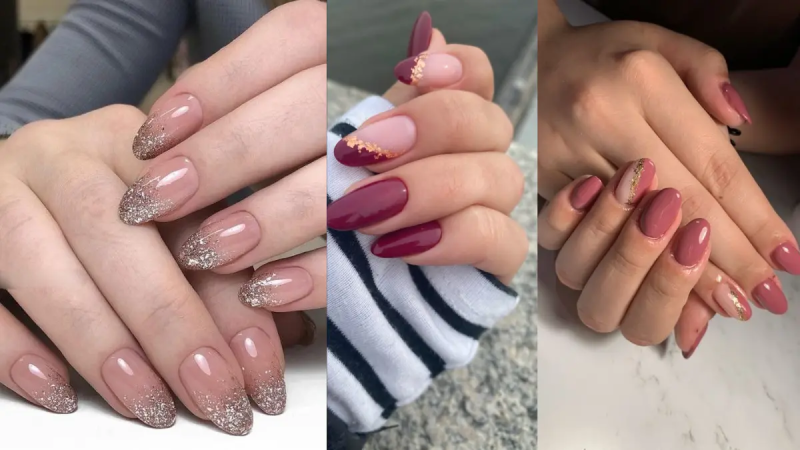
Hard gel nails are perfect for modern nail art trends. Because the material is strong, it supports intricate shapes like coffin, stiletto, and almond.
Encapsulated designs are especially popular with hard gel. Nail artists can embed glitter, dried flowers, or crystals inside the gel layers for a three-dimensional effect.
Ombre styles, French tips, and minimalist nude finishes also look stunning with hard gel because of its natural clarity and shine.
The versatility of hard gel makes it a favorite choice for creative nail designs.
Conclusion
Hard gel nails offer a powerful combination of strength, flexibility, and natural beauty. Whether you are looking for long extensions or simply want to reinforce your natural nails, hard gel provides a reliable and professional solution. With proper application and maintenance, hard gel nails can last for weeks while maintaining a glossy, flawless appearance.
Although removal requires professional filing and regular fills are necessary, the durability and elegance of hard gel make it worth the effort. If you want strong, long-lasting extensions that feel lightweight and look stunning, hard gel nails may be the perfect choice for you.
FAQs
1. How long do hard gel nails last?
Hard gel nails typically last three to four weeks before needing a fill, depending on nail growth and maintenance.
2. Can hard gel be removed at home?
Because hard gel cannot be soaked off with acetone, it must be filed down. Professional removal is recommended to prevent damage.
3. Is hard gel better than acrylic?
Hard gel is lighter, more flexible, and has less odor during application. However, the best choice depends on personal preference and nail condition.
4. Does hard gel damage natural nails?
When applied and removed correctly, hard gel does not damage natural nails. Damage usually occurs from improper removal.
5. Can you apply gel polish over hard gel?
Yes, gel polish can be applied over hard gel extensions and cured normally under a UV or LED lamp.
Also read: Color Hair Naturally: A Complete Guide to Natural Hair Dyes